Intro
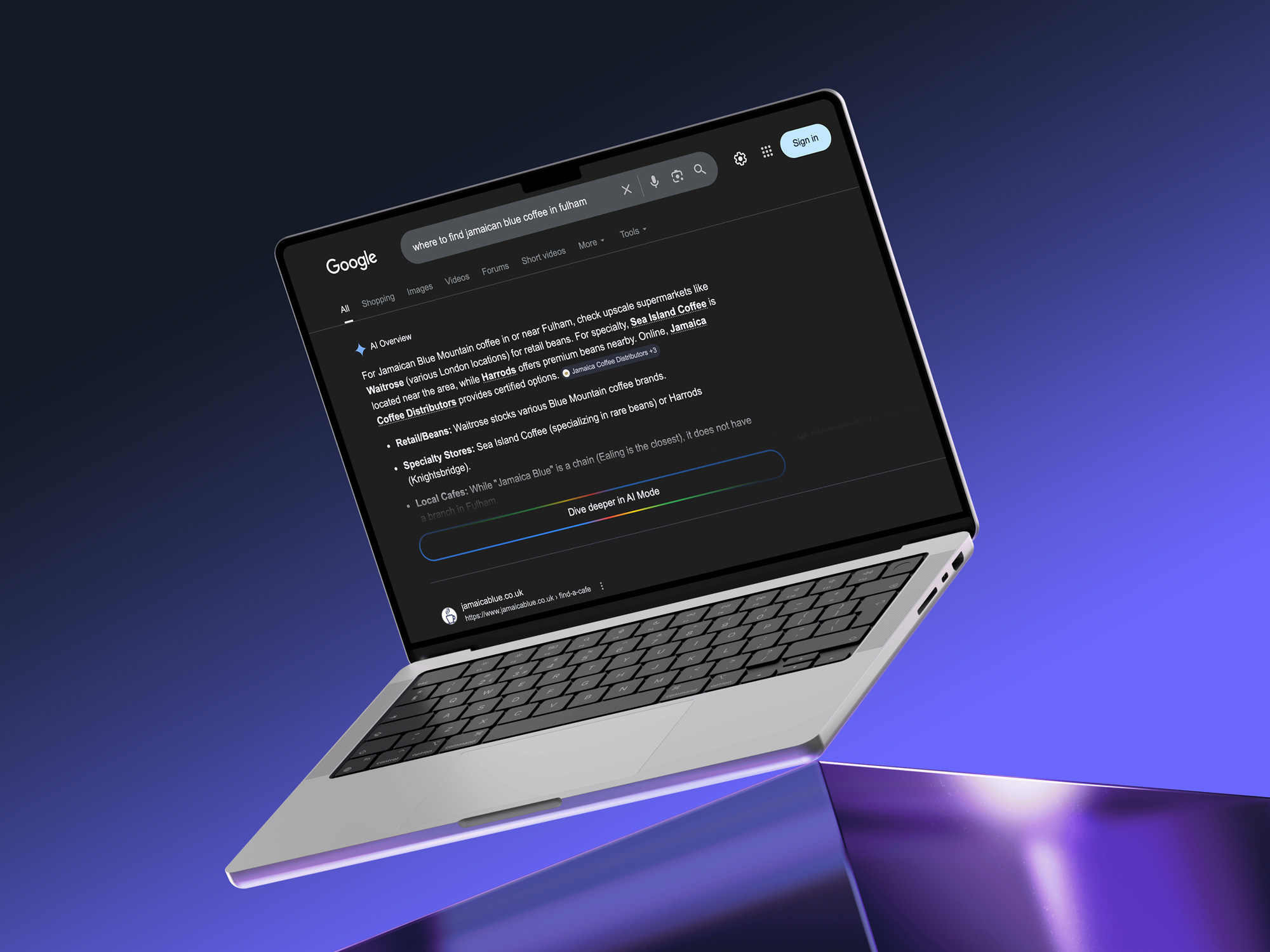
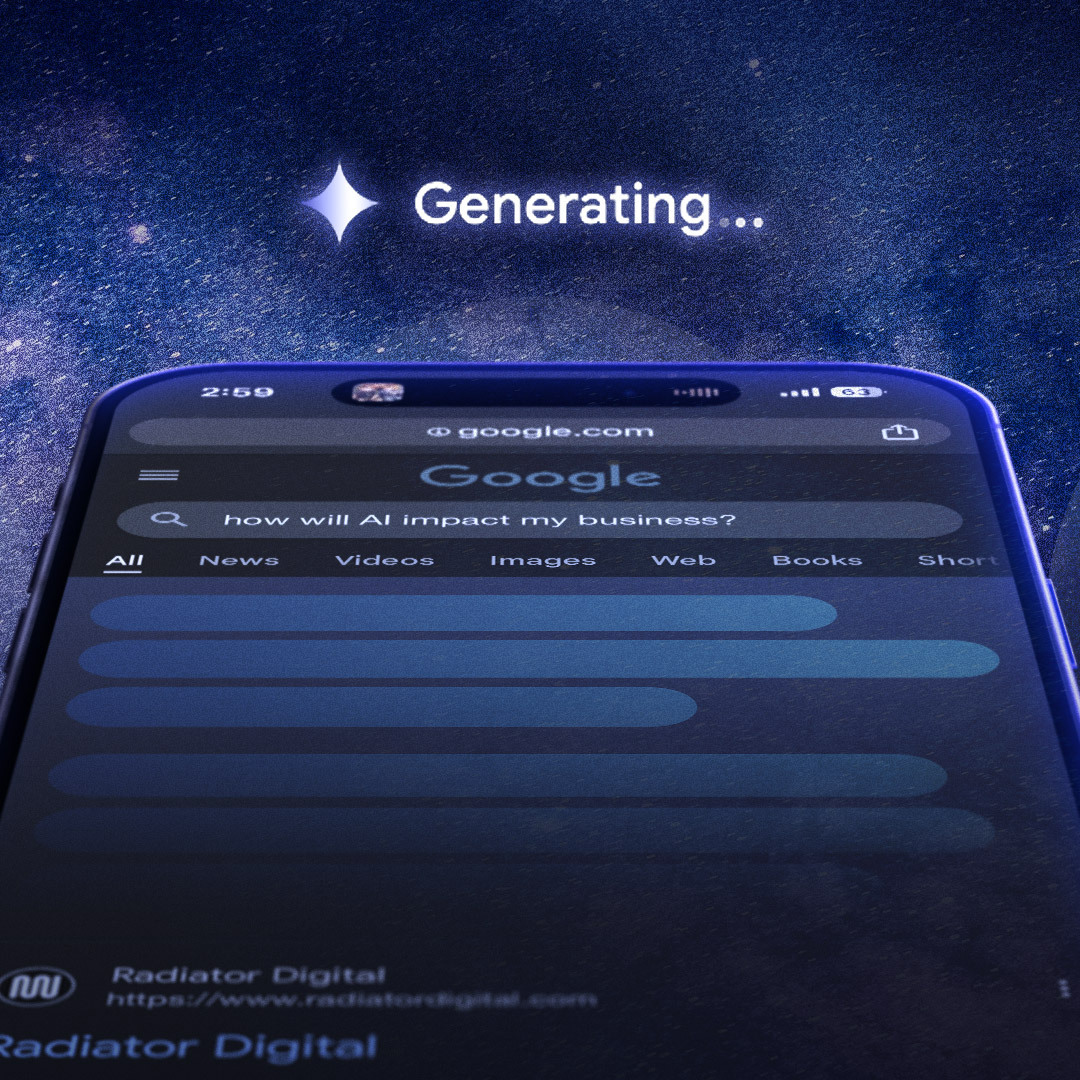
In the ever-evolving online world of eCommerce, it is vital to stay ahead of the curve! Google Shopping AI has seen a huge new update mid-way through November that’ll change how people shop online via Google’s ecosystem.
Explore More: The Advancement of AI in Google Search Impacts SEO and Marketing Strategies.
As of November 13th 2025, Google intends to ‘let AI do the hard parts of your holiday shopping’ for the festive season of 2025.
So, what does this mean for your online business? Our Search Engine Marketing experts weigh in:

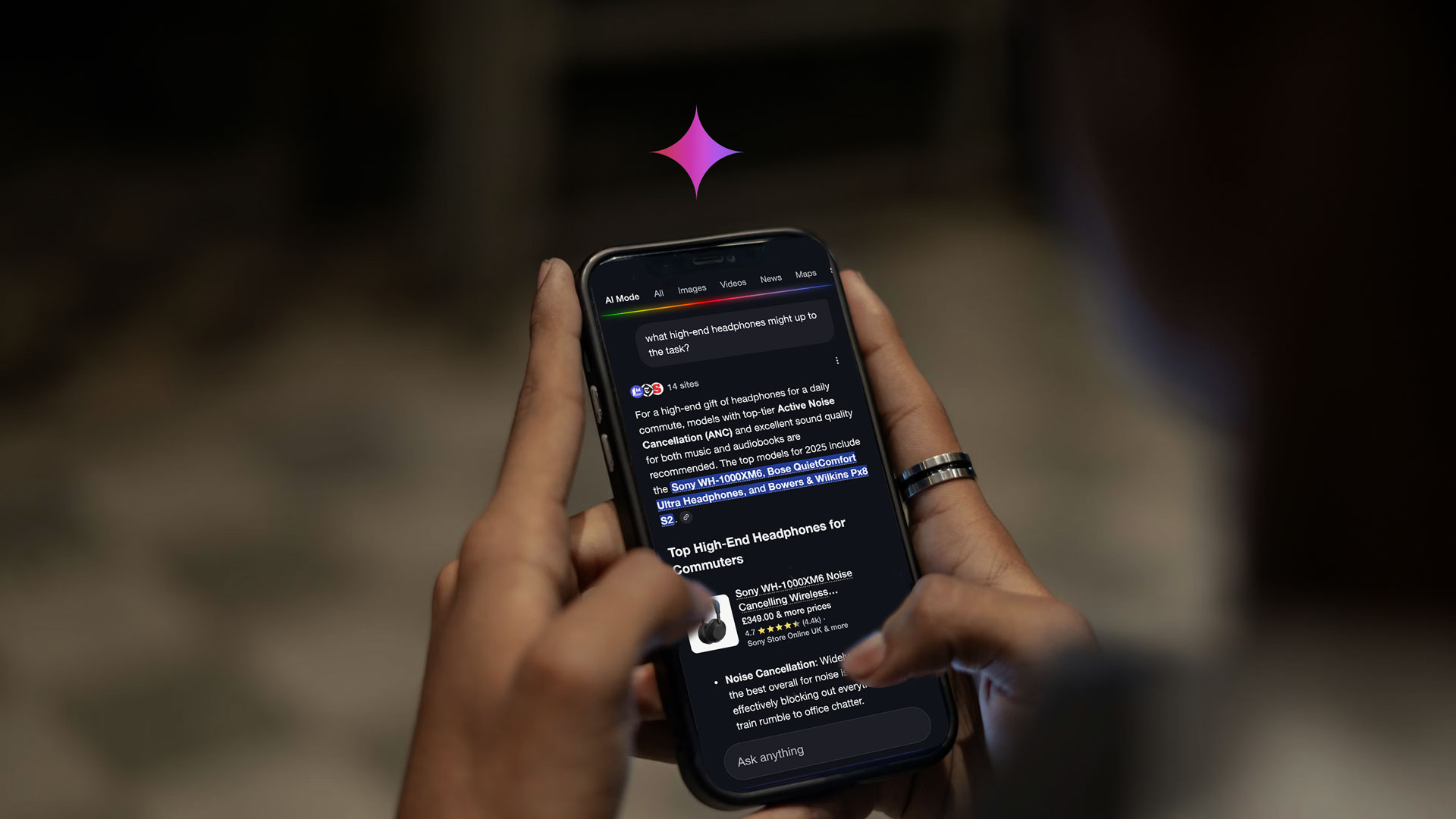
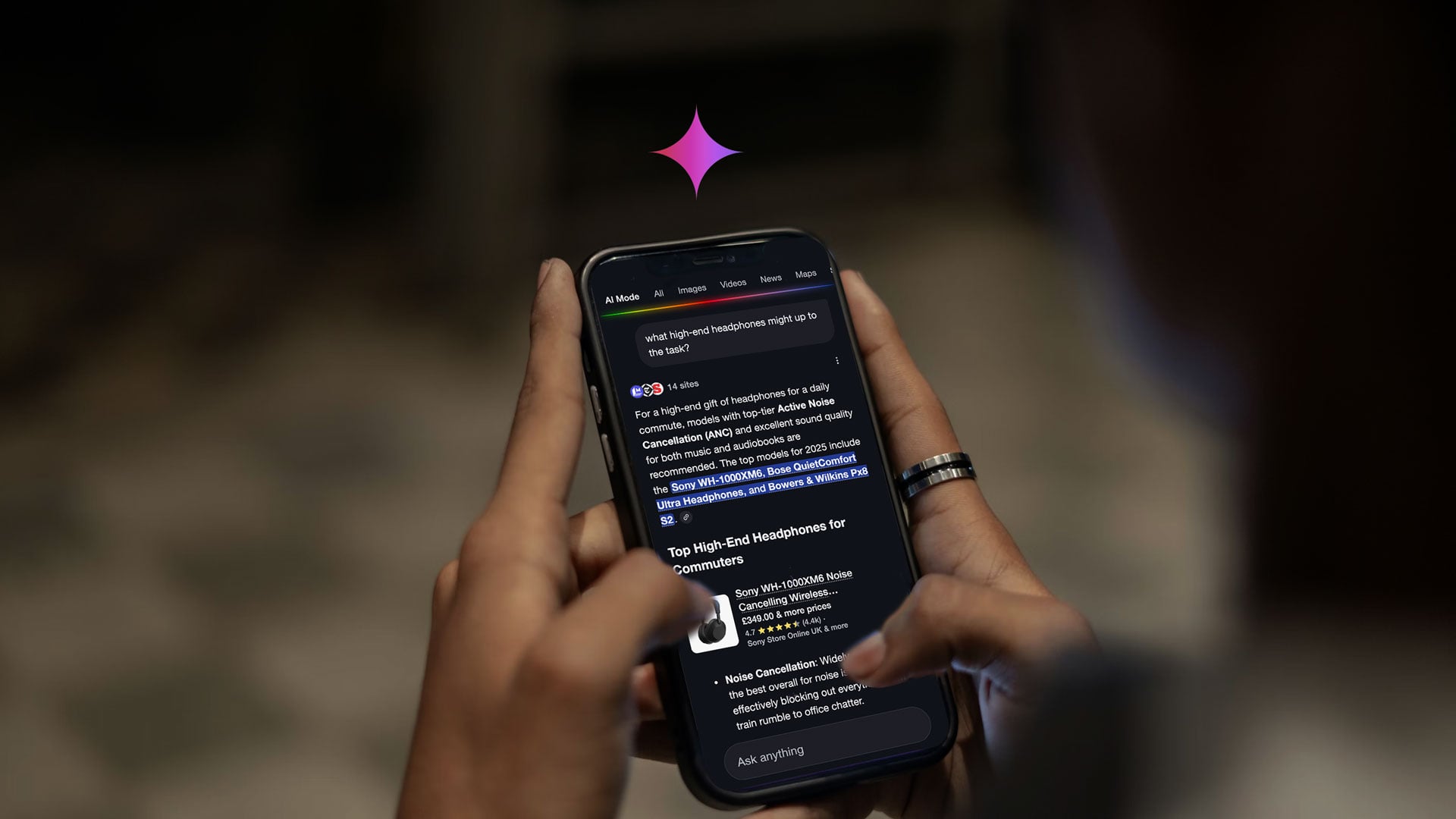
The new update that Google has pushed will enable searchers and potential customers to buy products directly from Google Gemini’s chat window. This means if you sell Coloumbian coffee in Edinburgh, and a searcher uses Gemini’s interface to research coffee in Edinburgh, there’s a chance it’ll offer your products in the chatbox window if the searcher shows commercial intent.
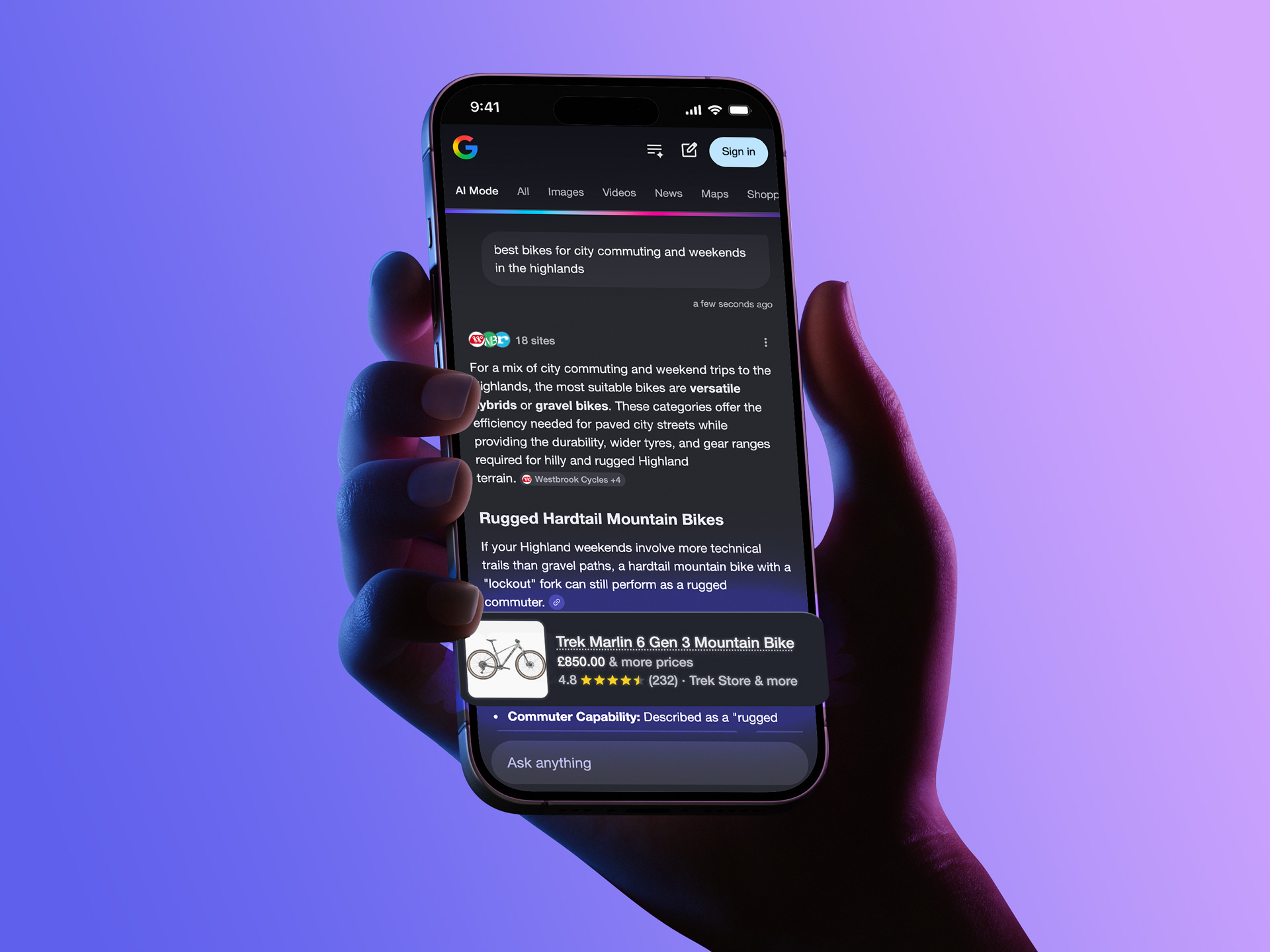
There’s a lot to unpack about how this works, but in Google’s own words they are allowing people to ‘shop conversationally in search’ which, in basic terms, turns Google Gemini into a virtual shopping assistant. Now, when people use Gemini to do basic product research, the chatbot has the ability to now only narrow down their queries to a specific range of products, but will allow them to buy products without ever leaving the chatbox window.
It is worth noting that as of November 2025, agentic checkout is only being rolled out in the US for selected merchants (but they have plans to roll-out agentic search worldwide soon).
With a game-changing rollout planned for UK based businesses, it naturally leads us as marketers and business owners to ask:
How do I get my products to show?
This is the big question on every marketer’s mind right now. Unlike the good old-fashioned days of SEO and PPC marketing, the signals which prompt AI to show certain results in chat windows is not a surefire checklist you can follow and marketers don’t control how people buy.
Just like in SEO, or PPC, there will be competition for certain terms. There will also be best practices you can follow to increase the odds of showing in this new kind of search, which is what search marketing specialists study.
AI mentions - be it in search or in Large Language Model (LLM) chatbots - rely on a wide variety of ranking signals like traditional SEO does. But just like traditional digital marketing techniques, it’s all about increasing the odds your products show, rather than guaranteeing they show.
That being said, there are a few essential requirements that your eCommerce website must follow in order to be eligible. Those are:
-
Creating and maintaining a Google Merchant Center account.
-
Provide a Complete and Structured Product Feed.
-
Have a website that supports ACP (the Agentic Commerce Protocol),
While not essential, these factors are also hugely important to consider:
-
Having up-to-date real-time inventory, price data, and the overall completeness of the product information.
-
Having well optimised landing pages, structured data, and local data. As always, content remains king, even in the age of AI chatbots and LLMs (even they need to cite from somewhere!).
-
Having a large pool of customer reviews to pull from (the more 4 and 5 star Google reviews, the better). This is a key trust signal for searchers with commercial intent.
Don’t worry, we’ll jargon-bust and outline what steps you can take to ensure your business meets these requirements.
Before we go any further, it is important to caveat:
Following best practice is not a guarantee that your products will show. However, it does greatly increase the chances of your product showing over a competitor’s.
We also need to understand that products showing is dependent on the searcher’s query intent in the Google Gemini chatbox.
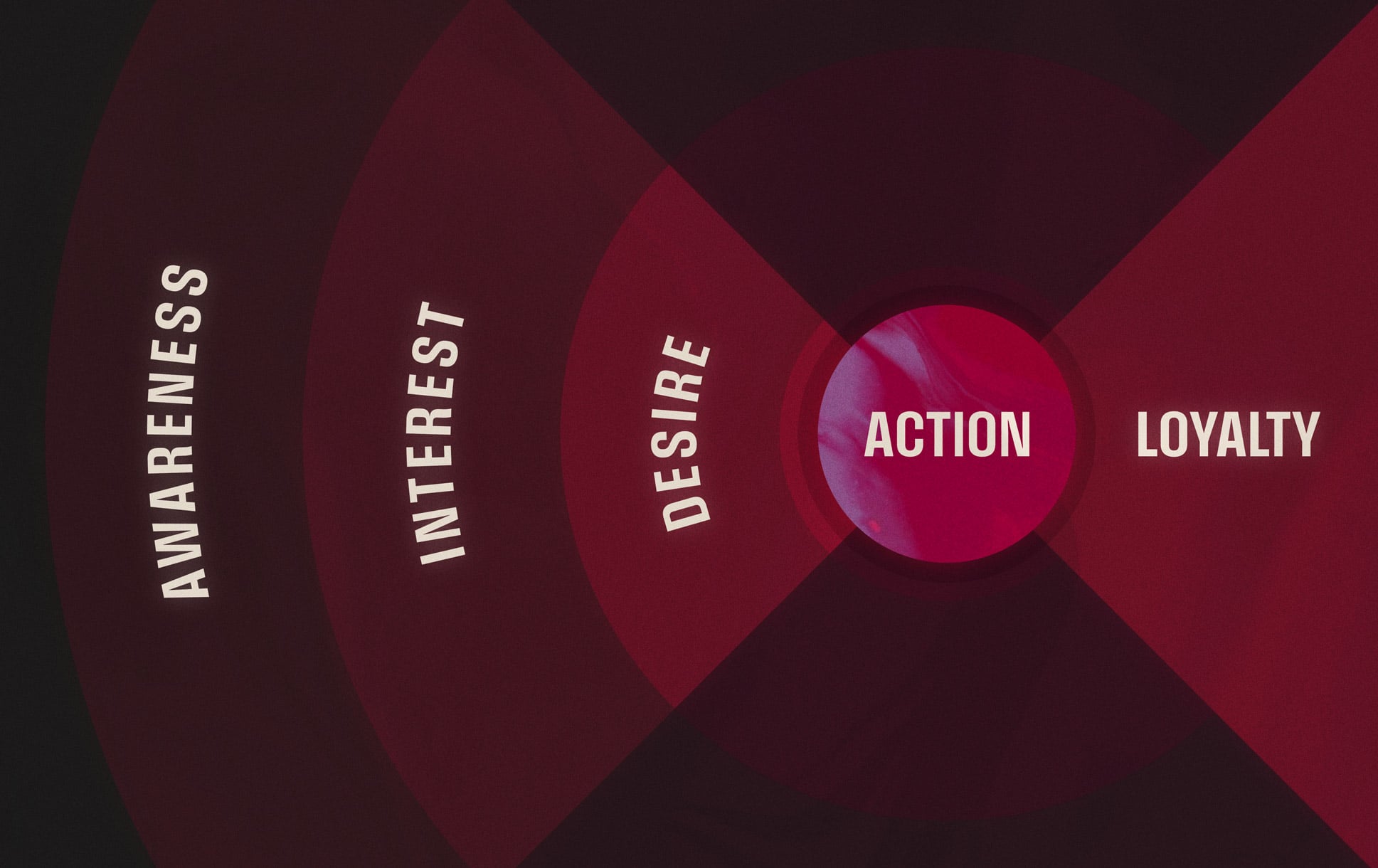
Products will often only show in the chatbox if a person shows commercial intent to buy and is towards the end of the conversion funnel.
AI-powered tools such as Gemini are moving to capitalise on searchers in these last two phases of the customer journey using personalisation to tailor content. In this context, content means the chatbox answers, some of which will show products that can be bought from the chatbox window.
What Does This Mean for my Business and Marketing?
Just like with all new technologies that Google rolls out, the US market is always the ‘guinea pig’ but territories such as the UK, Canada, Australia, and other English speaking countries are usually next in the pipeline for a roll out.
What this means is that, to stay ahead of the curve, you’ll want to seriously consider making your business agentic checkout friendly for the roll out. Our own in-house experts are aware of the importance of agentic search for our clients, and when asked about how it’ll impact marketing strategy going forward, our Pay Per Click Specialist Gordon Young had this to say:
“To ensure you are best set up to appear in agentic search results, it's important you have properly optimised your product feeds - such as Merchant Centre, onsite and ad copy is clear and geared toward user intent (such as "the perfect laptop for travel") and landing pages are highly relevant, clearly organised and show strong trust signals / reviews.”
And, of course, our Search Engine Optimisation in-house expert, Jamie Hepburn, also weighed in when asked about agentic checkout:
“AI Shopping and agentic search appears to be the next big game-changer within the online marketing space, and whilst it is not yet fully clear how this will impact online sales, we urge business owners to follow best AEO & GEO practices moving forward. From adding structured data to your product pages to optimising your content for LLMS, there are many small but effective changes you can implement now that will help your website adapt quicker to the monumental changes that are coming.”
With the new update pushed live in the US as of November, and coming soon for others around the globe, it is clear that Digital Marketing Strategies will need to pivot in accommodation of this market-changing technology.
Trust The Experts; Radiator Digital
Agentic checkout and AI search can be confusing, and it can be easy to feel left out or like you are lagging behind an evolving market.
At Radiator Digital, we are an extension of your team. From researching recent trends, to informing about emerging eCommerce technologies, our job is making your job easier.
Be it website design to a fully integrated marketing strategy, reach out to us today and have a conversation about what you need for your business and how we can make it happen together!
Jargon Buster
Need to scratch up on some jargon included in this article? Some technical terms we’ve used and what they mean:
-
AI; artificial intelligence. An umbrella term for machine learning / large language models.
-
LLMs; large language models. This is another name for AI chatbots like ChatGPT, Google Gemini, Microsoft Copilot, or Perplexity.
-
SEM; search engine marketing. An umbrella term for all things search engine marketing, including SEO, PPC, AI LLMs, and more.
-
SEO; search engine optimisation. The act of optimising a website for marketing on search engines.
-
PPC; pay per click. The act of advertising your services or products online via paid adverts.
-
SERPs; search engine results pages of a search engine, be it Google, Bing, or another search engine.
-
Searcher Query; what a person types into a search engine. For example, ‘purple cars near me’.
-
Agentic search/agentic checkout; the name given to an AI chatbot that helps you search for and buy products.