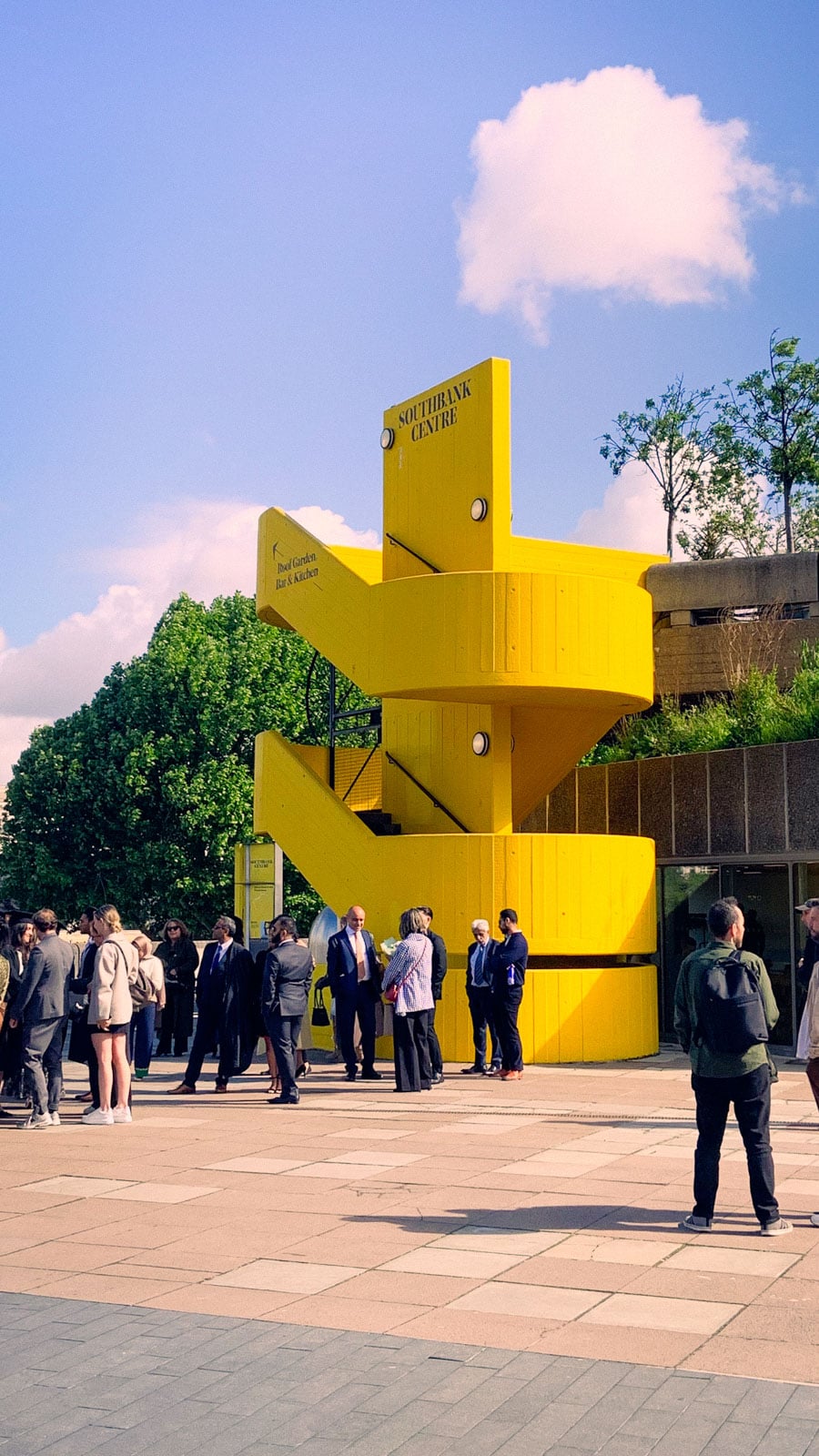
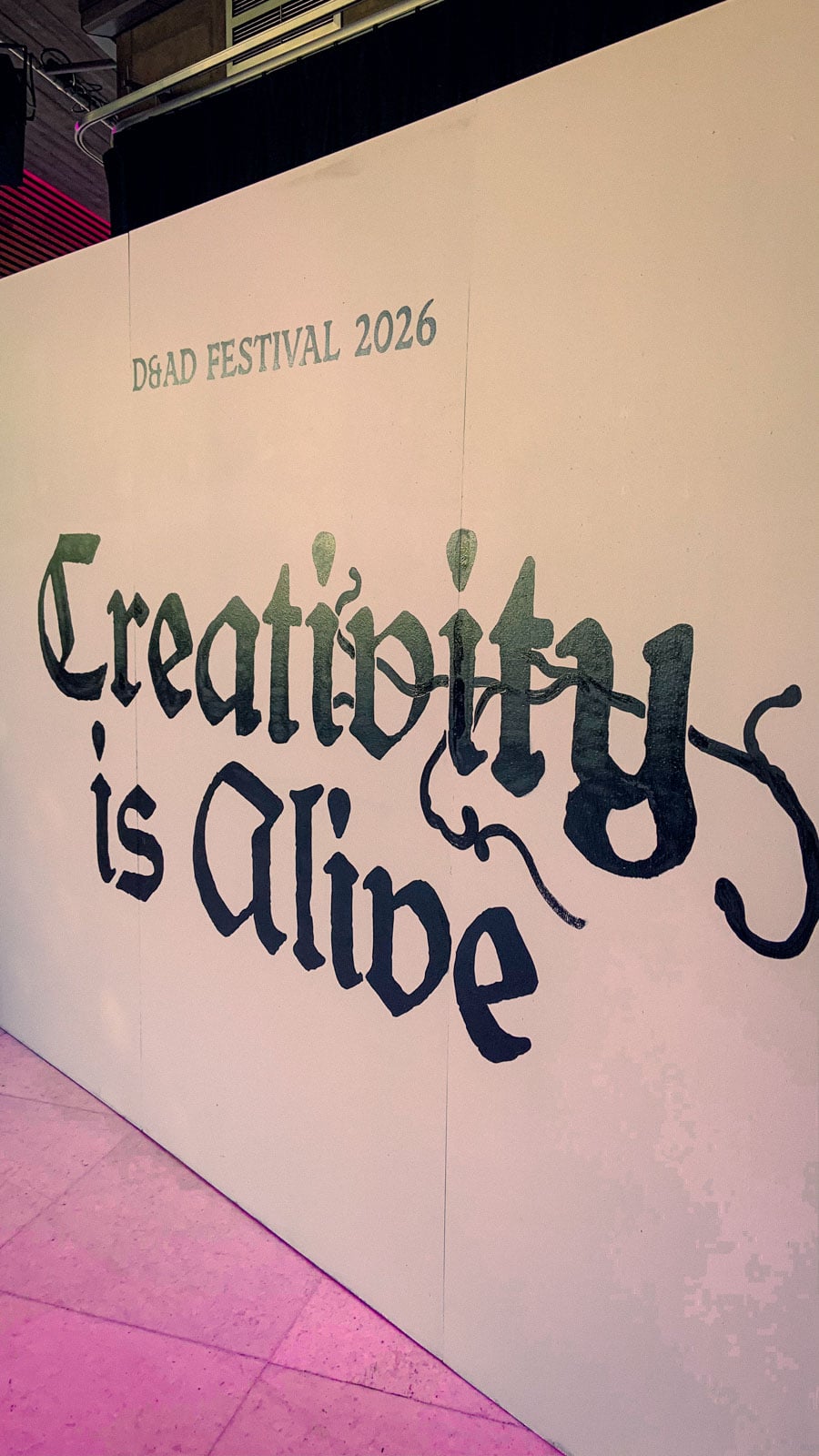
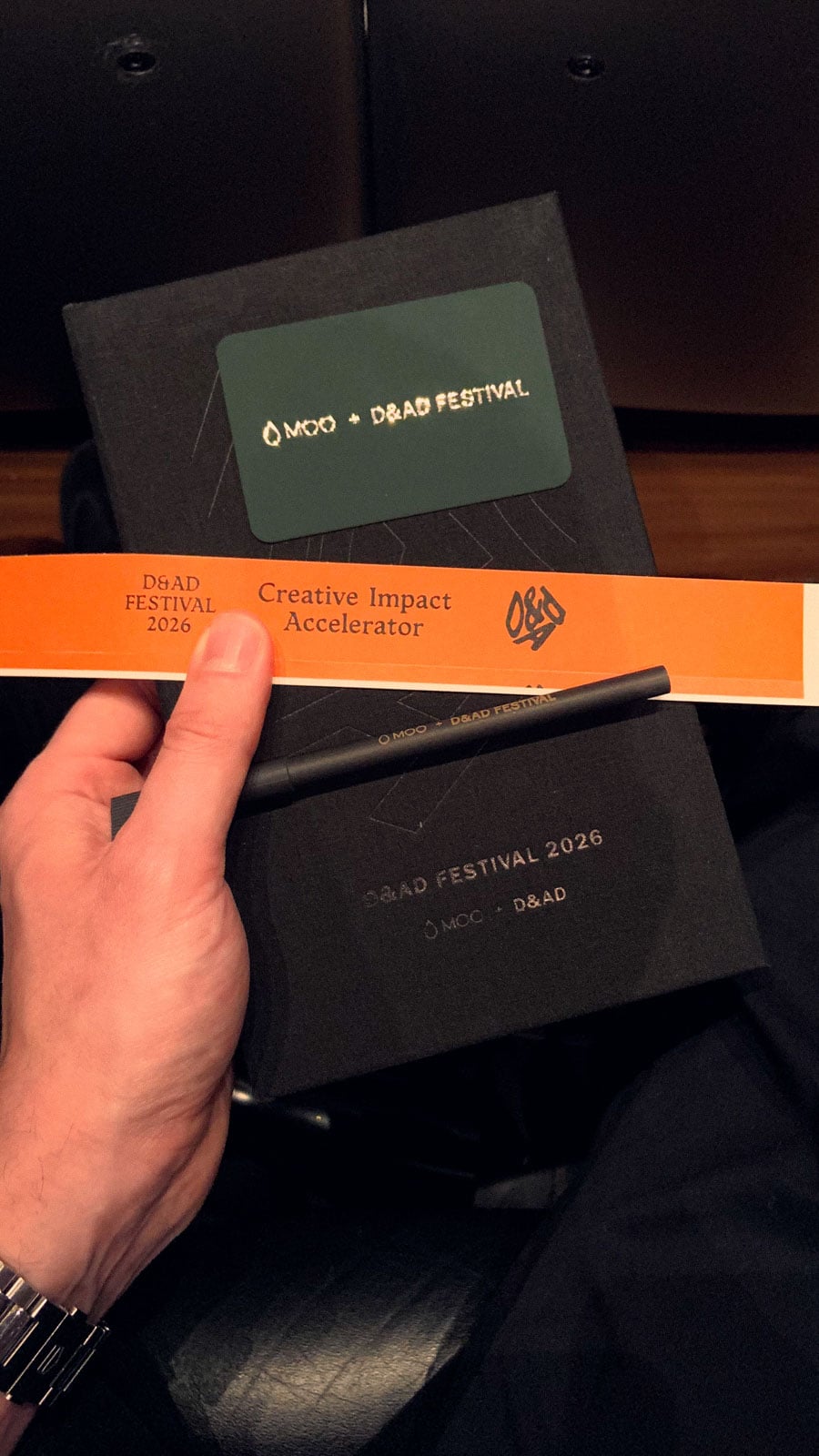
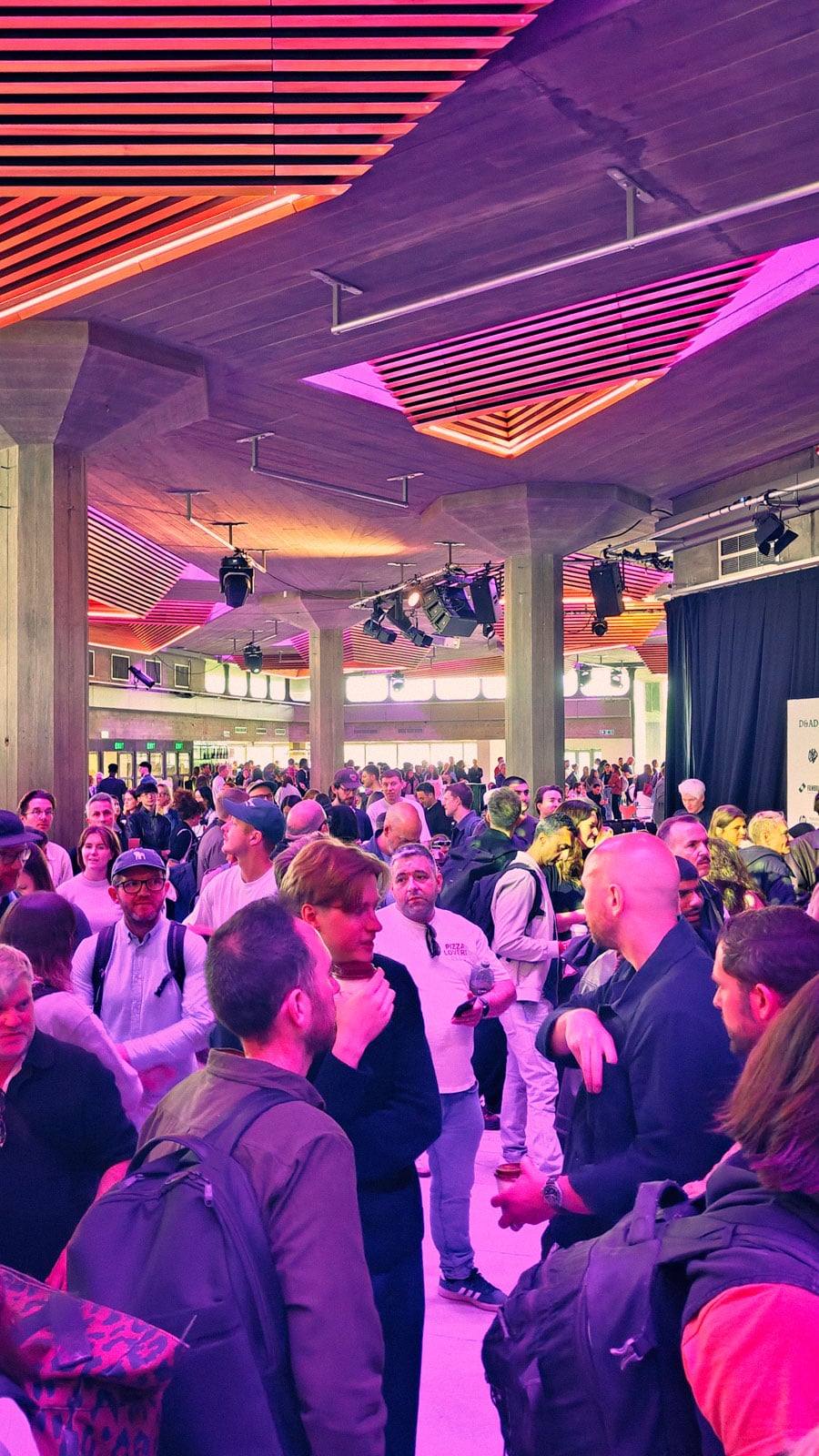
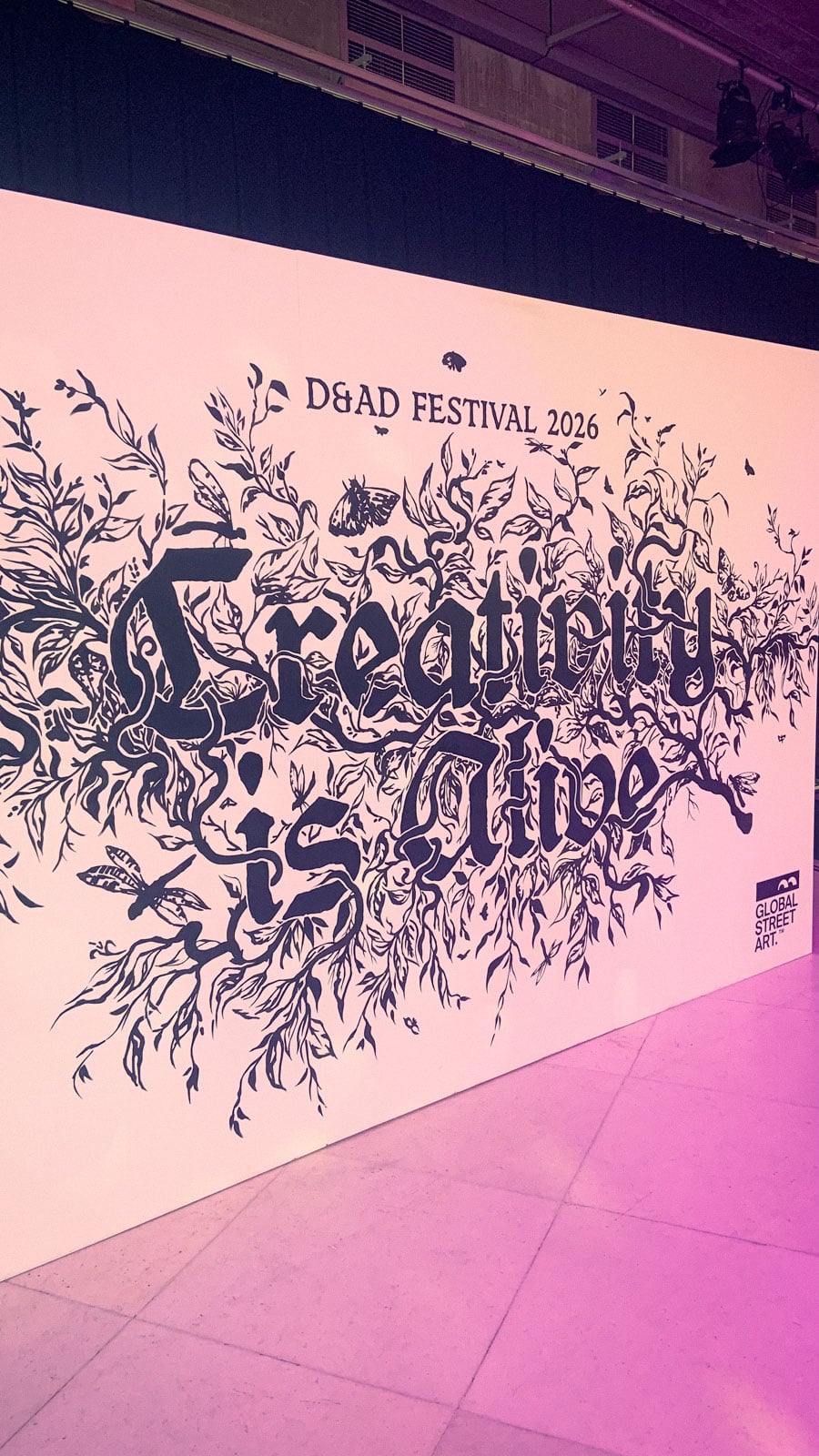
On Wednesday 20th May, RAD designers Finlay and Calum travelled to London's Southbank Centre to attend this year's D&AD Festival. D&AD (Design and Art Direction) is a globally recognised, UK-based charity and educational organisation that promotes creative excellence in design and advertising through its prestigious annual awards and wider festival programme. Finlay and Calum took part in two of the festival's immersive Learning Labs: the Creative Impact Accelerator in the morning and the AI Accelerator in the afternoon, each comprising talks, workshops, and panel discussions led by some of the world's leading creative minds.
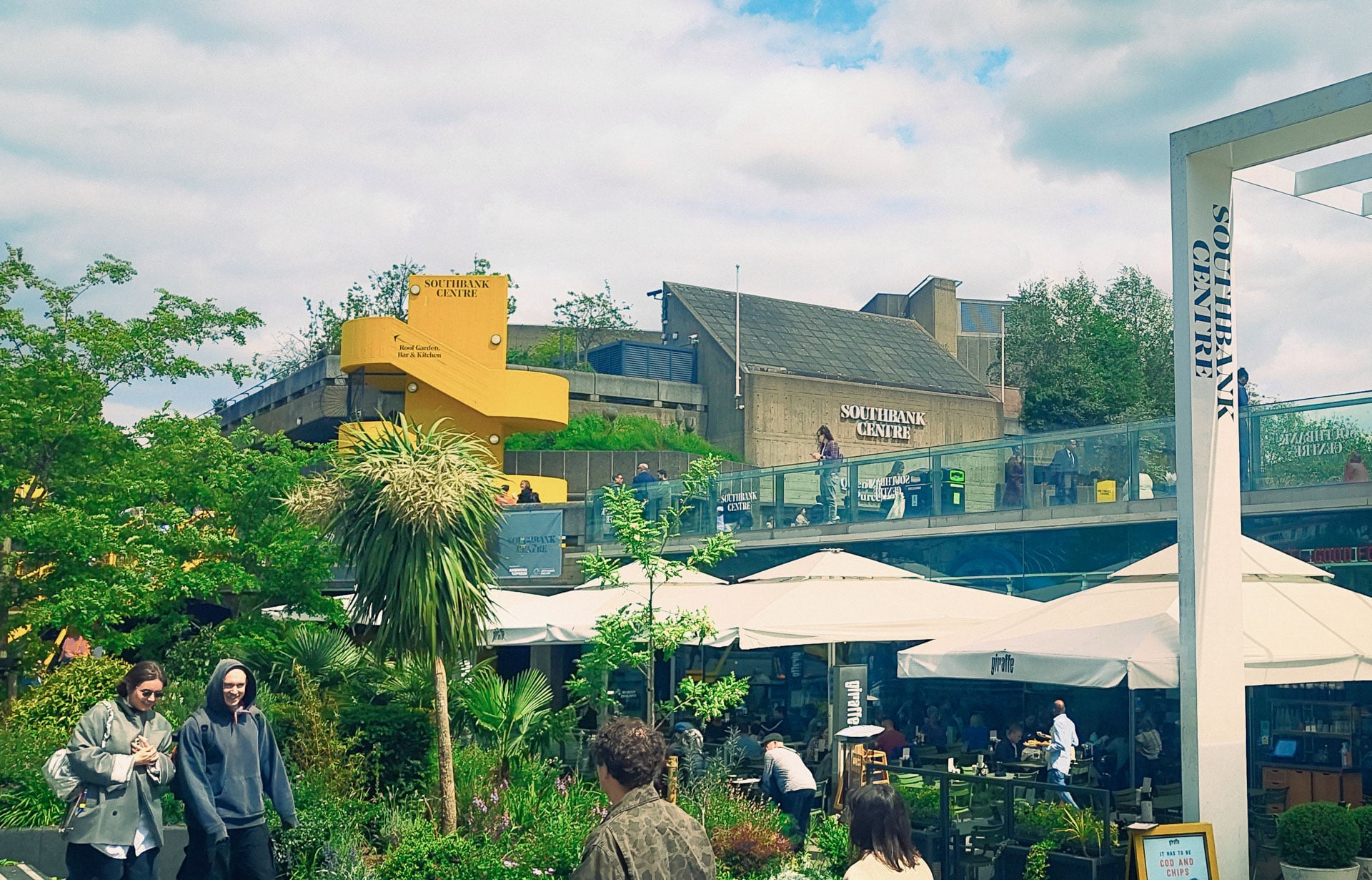
Creative Impact Accelerator
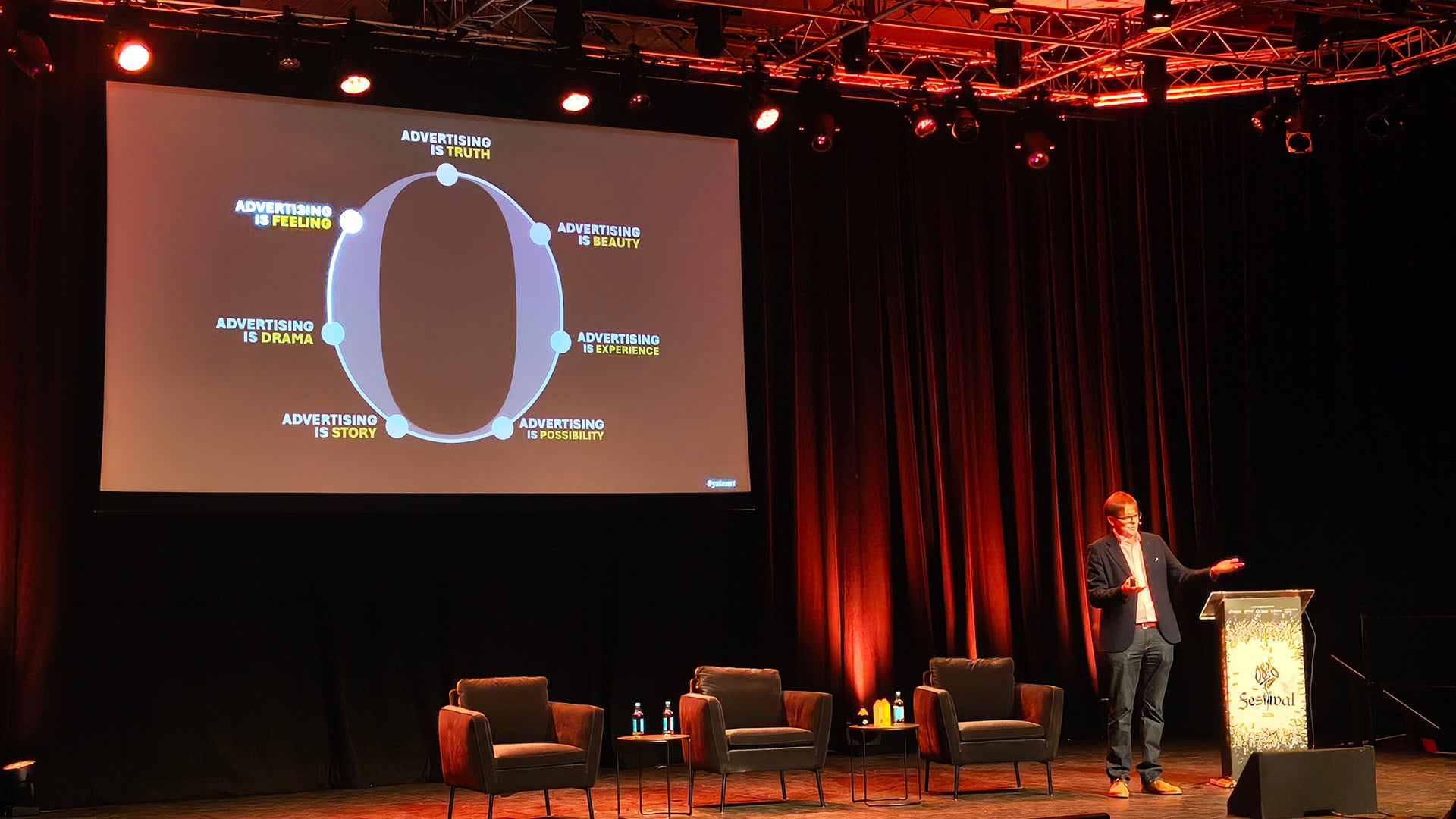
The morning session opened with the talk “Advertising is...?” by Orlando Wood, Chief Creative Officer at System1 and one of the industry's leading thinkers on advertising effectiveness. Orlando broke down the core tenets of successful creative strategy: what makes a campaign memorable, emotionally resonant, and ultimately impactful - grounding each point in iconic ad spots that brought his ideas to life.
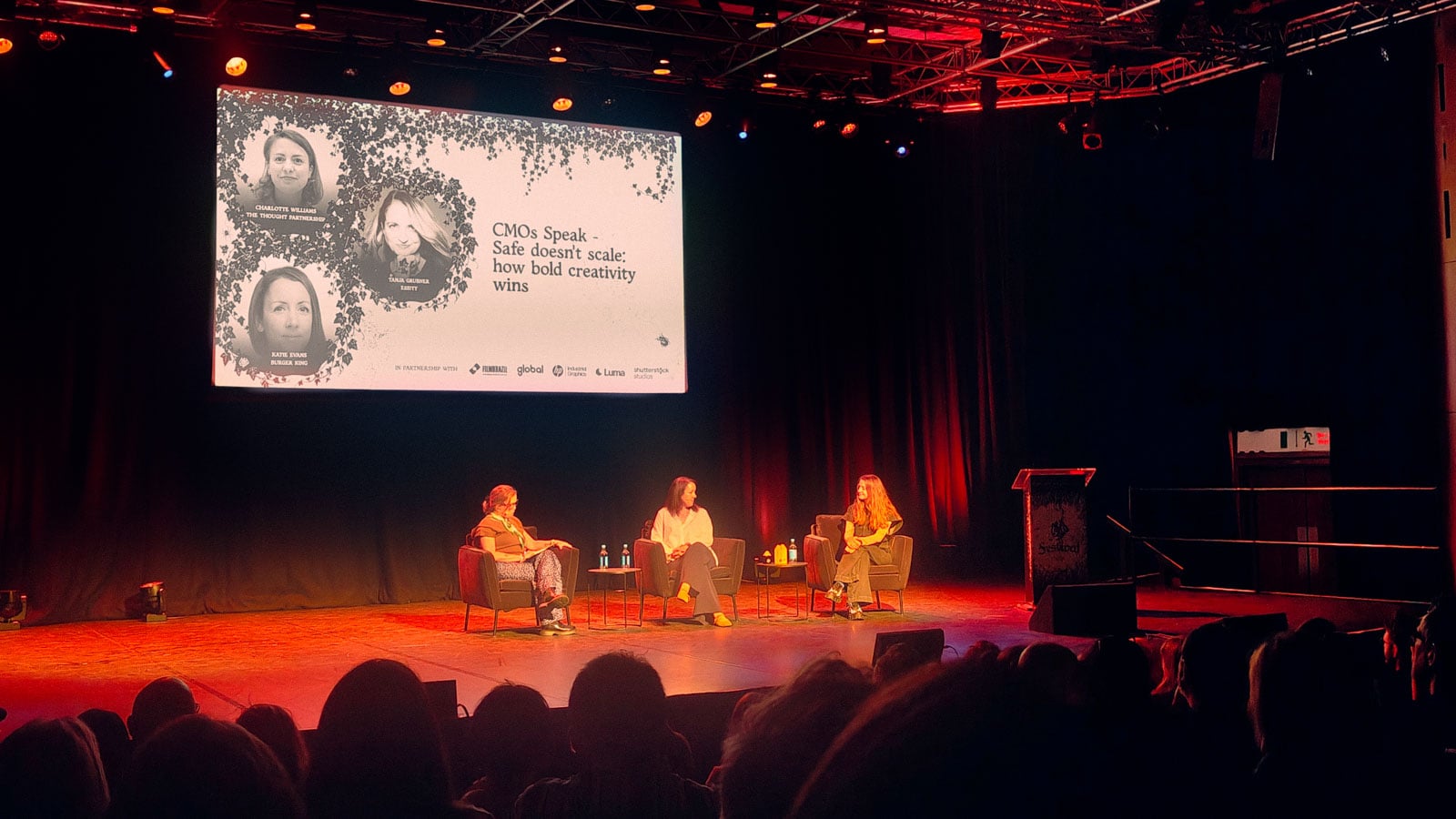
This was followed by a panel discussion, "Safe doesn't scale: how bold creativity wins," featuring Katie Evans, Chief Marketing Officer at Burger King, and Tanja Grubner, Global Marketing and Innovation Director at Essity. The conversation explored how creative bravery can push boundaries even within large global organisations and produce work that speaks directly to the experiences of female customers. Katie's campaign captured the very real, and rarely acknowledged, intensity of burger cravings following childbirth, while Tanja's work offered a flamboyant, full-spirited rendering of the menstrual experience for Essity. Both speakers fought significant internal apprehension, and some vocal online backlash, to see their campaigns realised. The result was audiences who recognised themselves in the work and championed it on the brand's behalf, illustrating what happens when a brand is brave enough to reflect its customers' real lives back at them.
A participatory workshop on building trust in high-stakes negotiation followed, titled "Trust arrives on foot and leaves on horseback: build it to last". It was led by Chula Rupasinha, a trainer, mediator, and former police negotiator and counter-terrorism officer. The intended thematic link to creative practice was clear in principle: developing the skills to negotiate feedback and scope in commercial situations and building the kind of long-term trust that strengthens client relationships. While Finlay and Calum found the session energising at the outset, they felt that its relevance could have been more explicitly drawn out, and that the session would have benefitted from more time given to Chula's own specific anecdotes. Ultimately, our team will certainly carry forward Chula's remark that the breaking down of trust is what causes miscommunications to happen - wisdom which clearly has a home in any creative agency environment.
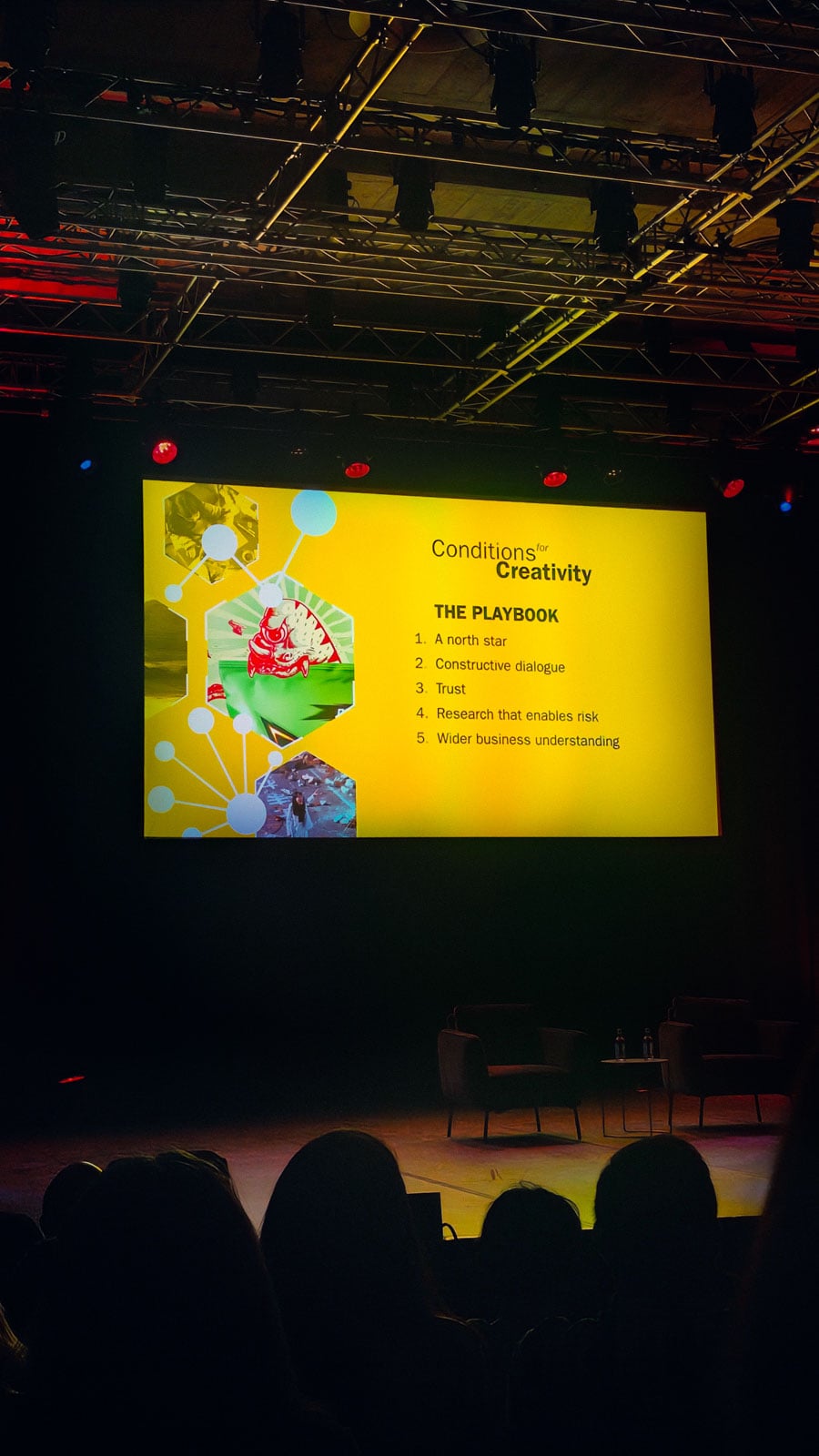
The morning closed on a high with the dynamic panel discussion “Building the conditions for creative excellence”. Two contributions especially stood out. David Lee, Chief Brand and Creative Officer at Squarespace, offered a refreshingly candid take on creative rigour, encouraging creatives to approach ideas with scrutiny and critically evaluate when they should be taken forward. Priya Matadeen, Brand Director at Mulberry, meanwhile, made a compelling case for the role of productive "agitation" in shaking loose the raw, important ideas during design strategy discussions. Both perspectives offered the team a sharper lens through which to consider how culture shapes creative output.
AI Accelerator
The afternoon shifted focus to artificial intelligence and its evolving role in creative practice. Max Fry of Shutterstock Studios opened with an exclusive preview of the forthcoming D&AD AI and Creativity Report 2026, and three key findings struck a chord. First: that 63% of respondents disagreed that AI produces original work independently, with words like "generic" and "derivative" appearing frequently in responses. Second: that half of respondents are already identifying a growing "skill atrophy", concerned that AI's ability to take junior creatives from brief to plausible output at speed is bypassing the failure, iteration, and hands-on learning that builds genuine craft. Third: that agencies face a real "pricing fracture", with clients reasonably asking why fees are not falling as AI accelerates production. The consensus in the room was not to cut quotes and hand more work to machines, but to ensure AI is used ethically and pragmatically: assigning repetitive and value-neutral operational tasks to AI allows for the allocation of more client budget to genuine, human-led creative output.
Rodrigo Sobral, Global Chief Creative Officer at OLIVER (accompanied by Scott Herring, Senior Director of Global Brand Strategy and Marketing at NetApp), then gave a candid account of how his team used generative AI to produce a cinematic Super Bowl spot for NetApp in just three weeks. The key takeaway was how much traditional creative expertise underpinned the process: extensive moodboarding, storyboarding, and careful creative direction drove the AI, rather than the other way around. Finlay and Calum found the session compelling, though the spot's arctic setting did quietly raise a question worth the industry's attention: if AI generation at that scale became industry standard, could its intense environmental demands coexist with the preservation of the same ecosystems that the NetApp spot romanticises?
NetApp's Arctic-set ad spot; realised from brief to airing during the Superbowl in only 3 weeks thanks to generative AI
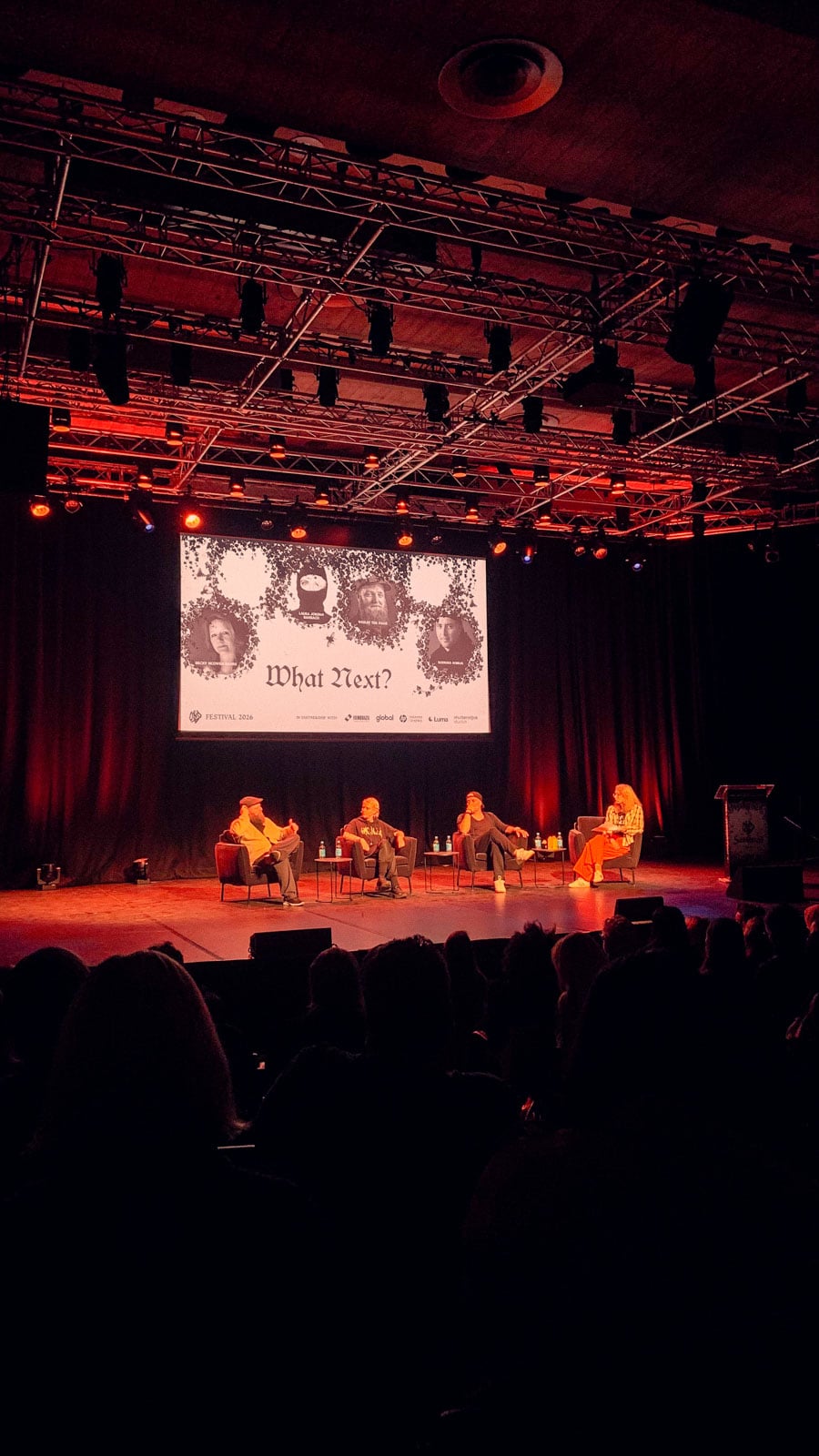
Laura Jordan Bambach, Founder and CCO of Uncharted, offered what was arguably the most practically detailed session of the afternoon, going as far as to name the specific tools she uses, where she uses them, and where they fall short. Her experience of content restrictions within AI tools used in her own creative work raised an important point: that the corporations behind these models may ultimately shape, and potentially constrain, the very creative freedom AI is widely said to democratise. When considered alongside the skill atrophy concerns raised earlier in the day, it paints a picture the team found genuinely thought-provoking.
The final session shifted the focus squarely to real-world application, with Wesley ter Haar, Chief AI and Revenue Officer at Monks, arguing that "AI is now a change management exercise; the tools are already here and usable." Wesley detailed how Monks have embedded custom AI agents across almost every internal workflow, from brief deconstruction to brand-aligned content output, and shared how their regular "15 minutes of AI" check-ins have driven rapid, sustained innovation across the business. The team were pleased to recognise a clear parallel with RAD's own RadLabs sessions, which have been driving internal innovation since 2022. It was affirming to hear that kind of initiative championed so directly by a figure at the forefront of the global industry. Ultimately, Wesley raised an extremely poignant yet often overlooked consideration: that the true long-term potential of AI in digital ecosystems lies not in generation, but in genuine, per-user personalisation at scale. The ethical questions that capability raises are ones the industry must answer carefully, and a challenge that sits at the very heart of where digital strategy is heading.

Across both sessions, the day reinforced the consistent truth that genuine creative bravery, rigorous craft, and strategic clarity remain irreplaceable - whether the brief involves a bold brand campaign or an AI-assisted production pipeline. Overall, Finlay and Calum's experience at D&AD Festival 2026 has provided RADIATOR with a wealth of learnings that will shape how we define our creative processes and grow as a people-centred, digital native team moving forward.